







Do Knife Marks Mean Your Plastic Cutting Board Has to Be Replaced?
After prolonged cutting and food preparation, plastic cutting boards naturally develop knife marks, scratches, surface wear, and localized depressions.
For a plastic cutting board with sufficient thickness and a structurally sound body, it may be possible to evaluate the board for professional surface resurfacing rather than replacing it immediately.
Proper resurfacing can improve the flatness and condition of the working surface, allowing a plastic cutting board that remains suitable for use to potentially continue serving its intended purpose for a longer period.
Resurfacing does not turn a used cutting board into a new one. It is a surface treatment intended to address actual wear and restore a more workable surface condition.
Why Should Plastic Cutting Boards Be Inspected Regularly?
Surface Wear Accumulates With Continued Use
Cutting boards used in restaurants, central kitchens, food processing facilities, and other food preparation environments are often subject to frequent and repeated use.
Repeated contact with knives gradually wears the working surface. When the same area is used repeatedly, localized wear, depressions, or unevenness may also develop.
Common signs of wear include:
Increasing Knife Marks
Repeated knife contact gradually creates marks and scratches on the working surface. With frequent use, these marks generally become more pronounced over time.
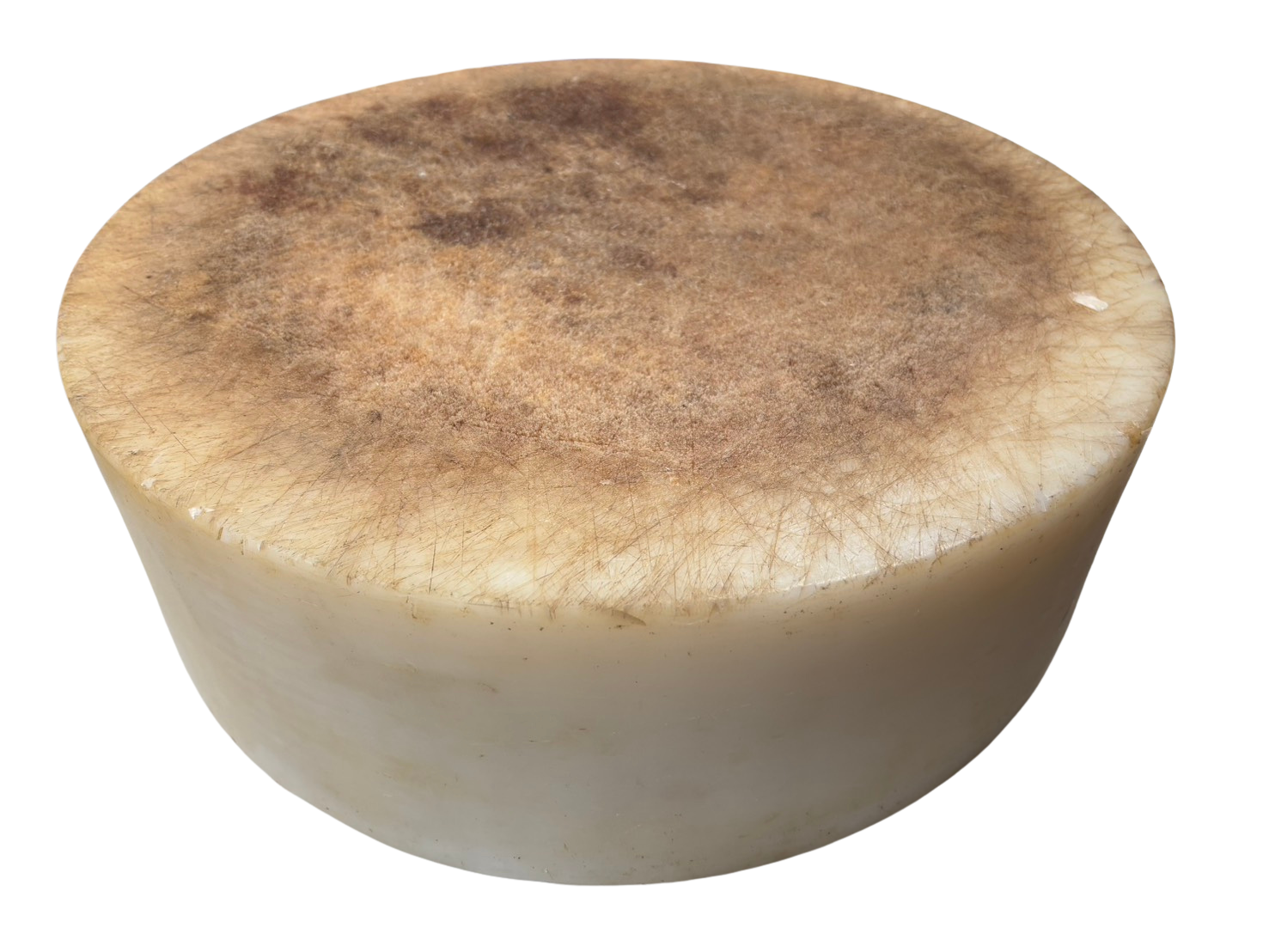
Localized Surface Wear
Repeated cutting in the same area can cause localized wear, resulting in differences in surface height across the board.
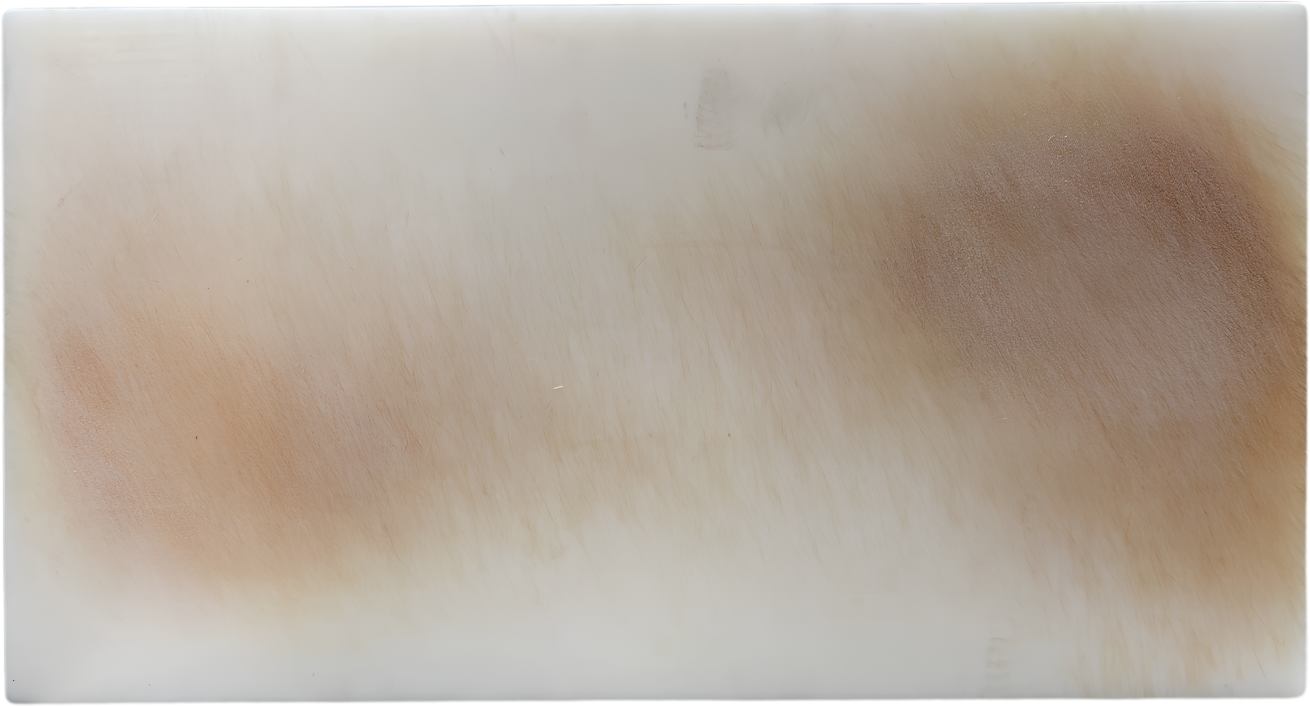
An Uneven Working Surface
As surface wear becomes more pronounced, the working surface may no longer remain as flat as it was originally, which can affect everyday food preparation.
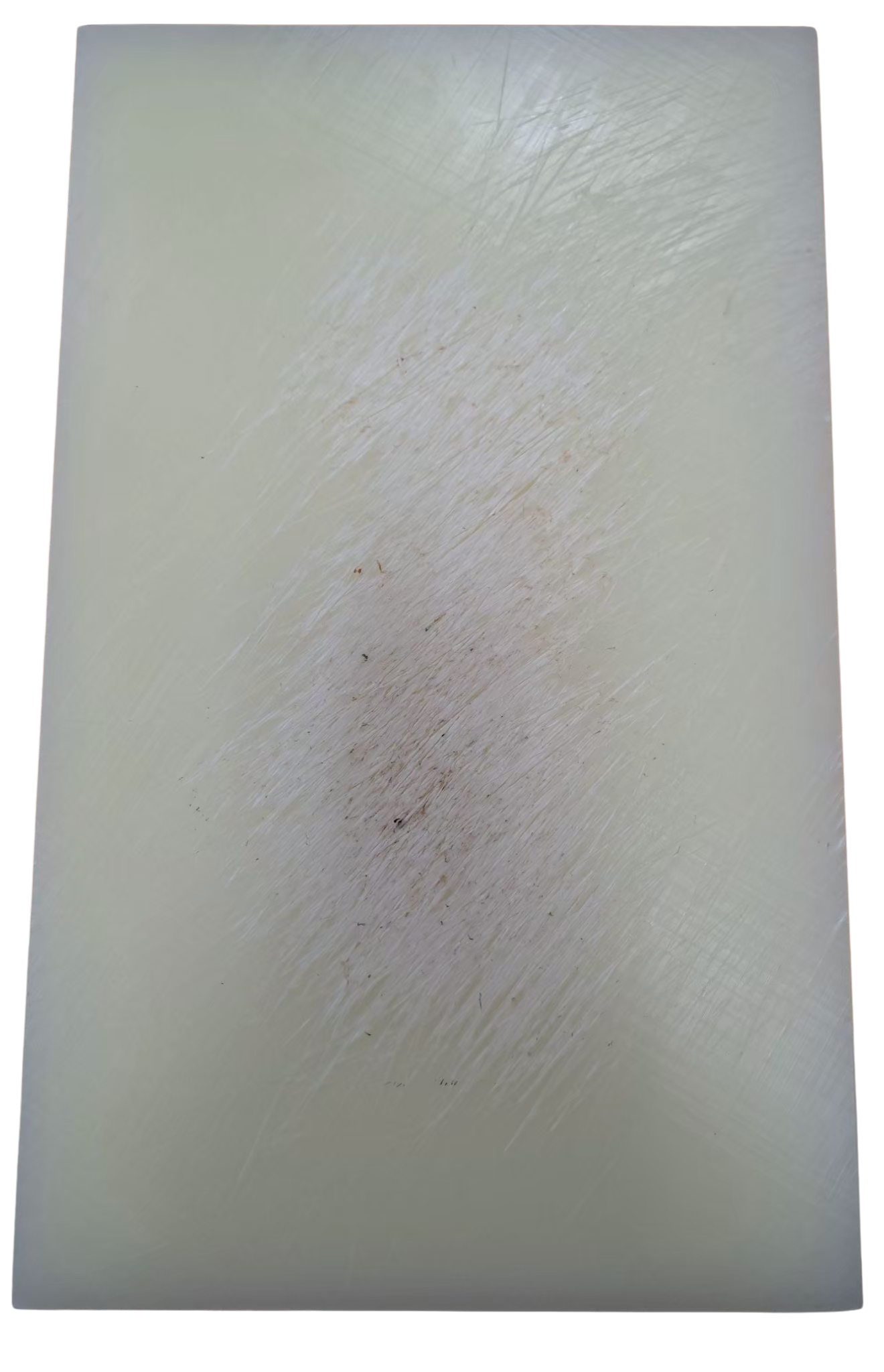
Changes in Appearance and Surface Condition
Staining, scratches, and visible signs of use can all be useful indicators when checking the condition of a cutting board.
However, the number of knife marks alone should not determine whether a cutting board needs to be replaced.
A proper assessment should also consider the board's material, thickness, cracks, damage, deformation, and overall structural condition.
Which Plastic Cutting Boards May Be Suitable for Resurfacing?
Thickness and Overall Condition Are Important Factors
Resurfacing involves removing a portion of the worn surface. For this reason, not every plastic cutting board is suitable for resurfacing.
In general, a cutting board with sufficient thickness and a sound overall structure provides more room for surface resurfacing.
Conditions That May Be Suitable for Further Evaluation
- Thick plastic cutting boards
- Noticeable knife marks or scratches on the surface
- Localized surface wear
- Sufficient remaining thickness
- No significant cracks
- Overall structural condition remains sound
Conditions That May Not Be Suitable for Resurfacing
- Insufficient remaining thickness
- Significant cracks or breaks
- Severe chipping or damage
- Significant structural deformation
- Conditions that cannot be reasonably addressed through surface treatment
- Insufficient thickness remaining after resurfacing
Therefore, whether a cutting board should be resurfaced should be determined based on its actual condition, rather than simply how long it has been in use.
What Can Cutting Board Resurfacing Improve?
Targeted Surface Treatment for Wear and Unevenness
Improve Surface Flatness
Appropriate resurfacing can remove a portion of the worn surface and help restore a flatter working surface.
Address Wear From Regular Use
Surface resurfacing can address certain knife marks, localized wear, and surface depressions, depending on their depth and the overall condition of the board.
Extend the Usable Service Period of Suitable Boards
For cutting boards that remain structurally sound and have sufficient thickness, resurfacing can be considered as an alternative to immediate replacement.
Support Cutting Board Maintenance Programs
For restaurants, central kitchens, and food processing facilities, regular inspection and maintenance can be incorporated into cutting board management, with resurfacing or replacement determined according to the actual condition of each board.
Before and After Cutting Board Resurfacing
From a Worn Surface to a Reconditioned Working Surface
Before Resurfacing
After prolonged use, a cutting board may develop accumulated knife marks, scratches, and localized surface wear.
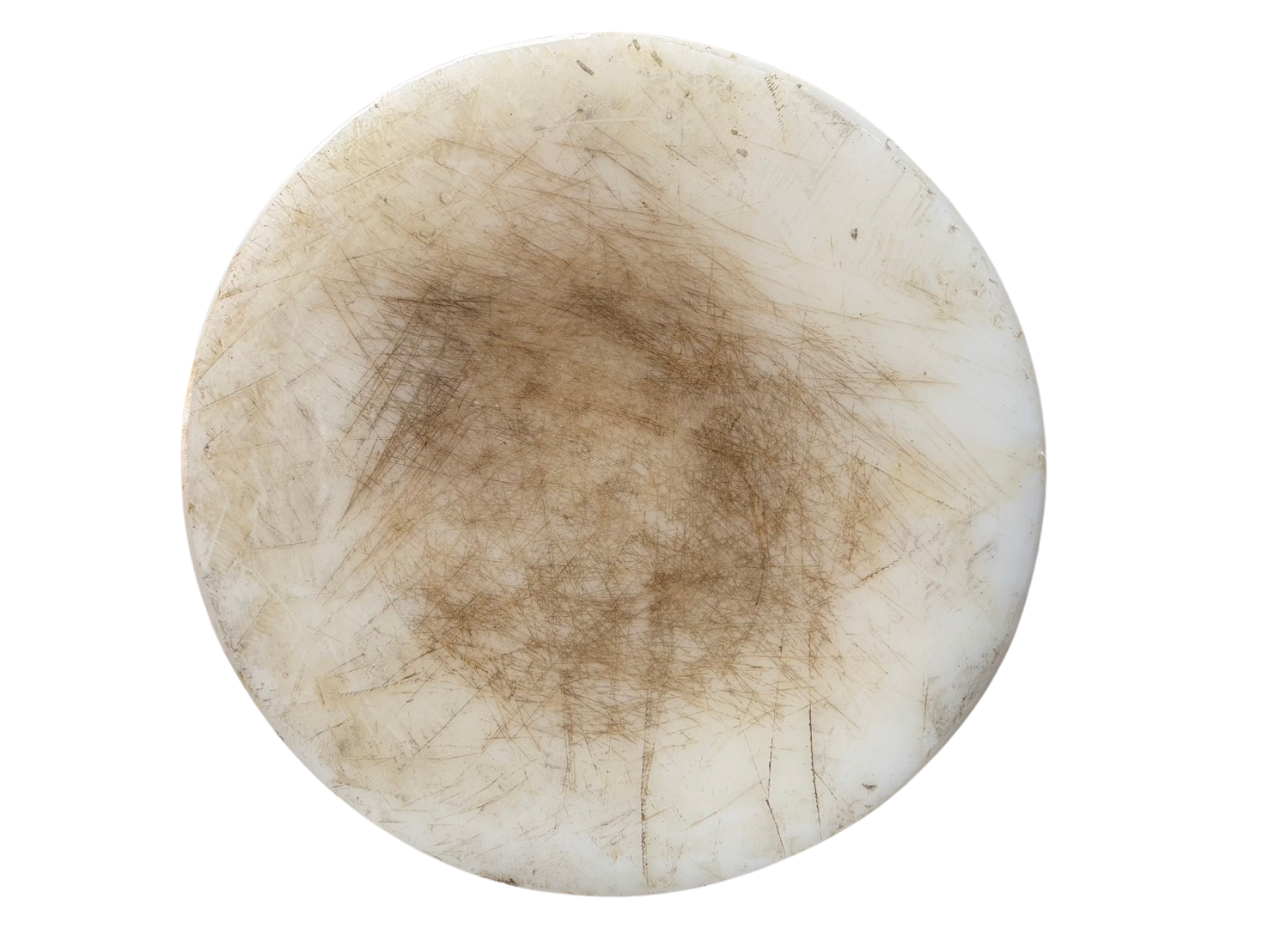
After Resurfacing
The surface can be reconditioned to improve its flatness and working condition when the board meets the requirements for resurfacing.

Important:
Resurfacing does not restore a used cutting board to its original, factory-new condition. It is a surface treatment intended to address wear and improve the condition of the existing working surface.
Resurfacing and Food Hygiene Management
Resurfacing Is Part of Cutting Board Maintenance — Not a Cleaning or Sanitizing Procedure
Plastic cutting boards are food-contact utensils, and proper cleaning, sanitizing, drying, and storage practices remain essential during normal use.
Resurfacing addresses the physical condition of the cutting board surface. It does not replace cleaning or sanitizing procedures required in food preparation environments.
Taiwan's food-contact utensil requirements specify that food utensils must not exhibit conditions such as contamination, mold, foreign matter, or fiber shedding, among other specified defects.
For this reason, a cutting board should continue to be managed according to appropriate food hygiene practices after resurfacing.
Recommended Cutting Board Care
Cleaning
Clean the cutting board appropriately after use to remove food residues and soils according to the requirements of the food preparation operation.
Sanitizing
Use an appropriate sanitizing procedure based on the food preparation environment and the facility's food safety management practices.
Drying
Allow the cutting board to drain and dry thoroughly after cleaning. Avoid leaving it in a persistently wet or damp condition.
Regular Inspection
Regularly check the working surface, edges, and body of the board for cracks, damage, deformation, or other abnormal conditions.
Timely Replacement
If the condition of a cutting board can no longer be reasonably maintained or restored, discontinue use and evaluate whether replacement is appropriate.
Cutting board hygiene is not achieved through a single resurfacing treatment. It requires proper use, cleaning, inspection, maintenance, and timely resurfacing or replacement as appropriate.
Why Are Thick Plastic Cutting Boards More Suitable for Resurfacing Evaluation?
Consider Cutting Board Management From a Product Life-Cycle Perspective
Resurfacing removes a portion of the cutting board's material, so the board's original and remaining thickness are important considerations.
Compared with thin cutting boards, a sufficiently thick plastic cutting board generally provides more material for potential surface resurfacing.
For facilities where cutting boards are used frequently, management can move beyond simply replacing a board when it is no longer usable and establish a more structured approach:
Use → Clean → Inspect → Assess → Resurface or Replace
Regular inspection allows the condition of each cutting board to be evaluated before deciding on the appropriate next step.
This approach bases maintenance decisions on the actual condition of the cutting board rather than relying solely on a predetermined replacement interval.
Understanding Cutting Boards From the Manufacturing Perspective
We Do More Than Resurface Cutting Boards — We Understand How They Are Made
As a plastic cutting board manufacturer, LOTBOARD has extensive experience in the development and manufacturing of plastic cutting boards.
Different materials, thicknesses, dimensions, and constructions can have different requirements for both use and resurfacing.
When evaluating a cutting board for resurfacing, we consider:
- Material
- Original thickness
- Current thickness
- Degree of surface wear
- Cracks and physical damage
- Overall structural condition
- Intended use
We do not simply ask whether a cutting board can be resurfaced. We first consider whether resurfacing is an appropriate option for the condition of the board.
Resurface or Replace?
Let the Actual Condition of the Cutting Board Guide the Decision
| Cutting Board Condition | Recommended Approach |
|---|---|
| Numerous knife marks, but the board remains structurally sound | Further resurfacing evaluation |
| Localized wear or an uneven working surface | Further resurfacing evaluation |
| Sufficient remaining thickness | May have room for resurfacing |
| Severe localized depression | Assess remaining thickness after resurfacing |
| Cracks are present | Prioritize evaluation for replacement |
| Severe chipping or physical damage | Evaluate for replacement |
| Mold or significant contamination is present | Discontinue use and assess the board before further use |
| Resurfacing would leave insufficient thickness | Resurfacing is not recommended |
The appropriate course of action should be determined based on the actual condition of each cutting board.
Frequently Asked Questions
Does a plastic cutting board with knife marks need to be replaced immediately?
Not necessarily.
The number of knife marks alone should not be the only factor used to determine whether a cutting board should be replaced. The depth of the marks, surface flatness, remaining thickness, cracks, physical damage, and overall condition should also be considered before deciding whether resurfacing or replacement is appropriate.
Can every plastic cutting board be resurfaced?
No.
Resurfacing removes a portion of the existing surface, so the material, original thickness, remaining thickness, and degree of wear all affect whether resurfacing is practical.
Thin cutting boards or boards with severe structural damage may not have sufficient material or condition for effective resurfacing.
Will the cutting board become thinner after resurfacing?
Yes.
Because resurfacing removes a portion of the worn surface, the board will be thinner after treatment.
The amount of material removed depends on the existing surface condition and the extent of resurfacing required.
Will resurfacing restore the cutting board to a like-new condition?
Resurfacing is intended to improve the condition and flatness of a used working surface. It does not restore a used cutting board to its original factory-new condition.
The result also depends on the board's original material, thickness, and degree of wear.
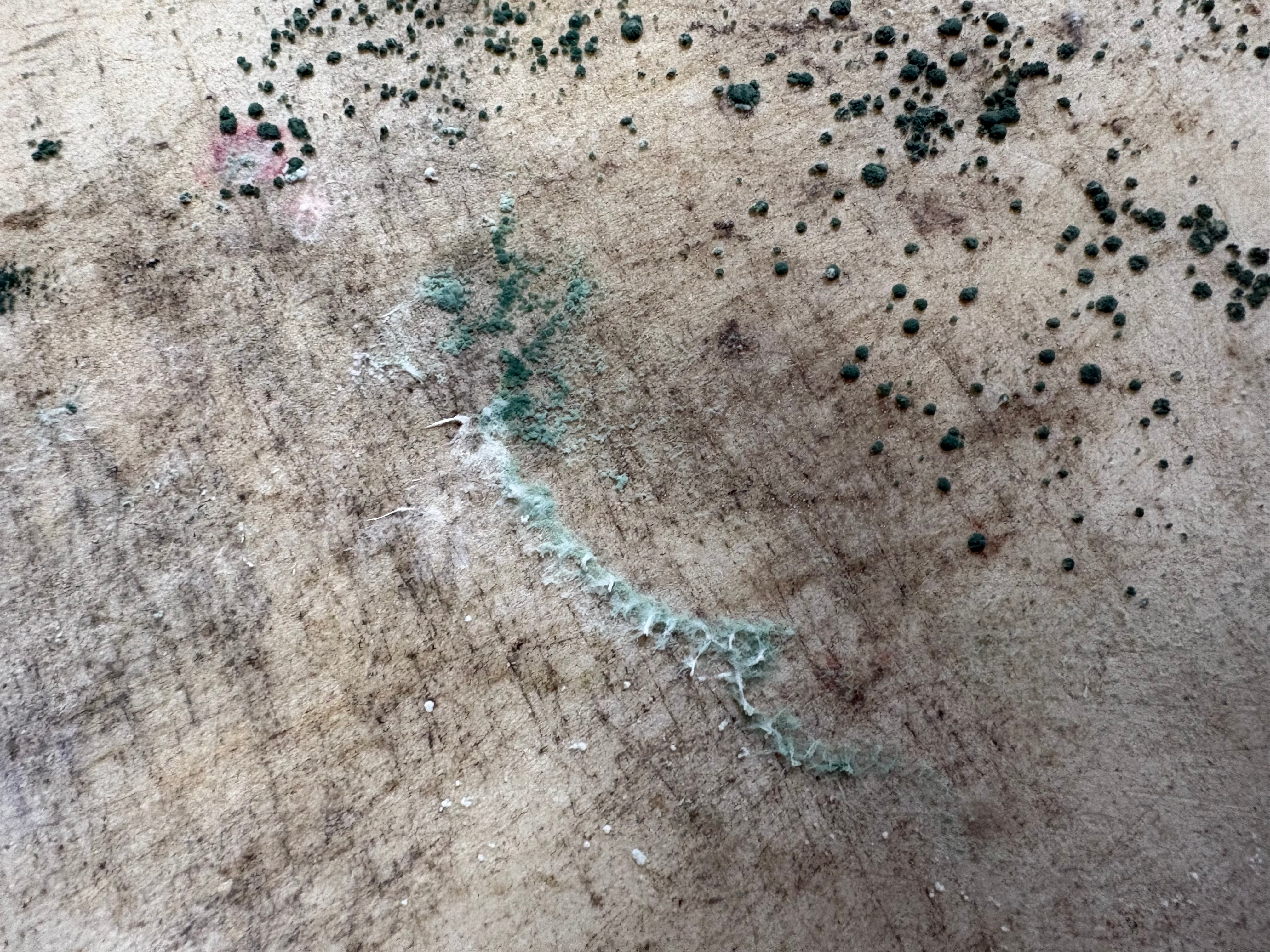
Can a moldy cutting board simply be resurfaced and put back into use?
It should not be determined that way.
If a cutting board has developed mold, an unusual odor, significant contamination, or other abnormal conditions, it should be taken out of service and properly evaluated.
Food-contact utensils must be maintained in an appropriate sanitary condition. Surface resurfacing should not be used as a substitute for cleaning, sanitizing, or proper food hygiene management.
Does a cutting board still need to be cleaned and sanitized after resurfacing?
Yes.
Resurfacing is not a cleaning or sanitizing procedure.
After resurfacing, the cutting board should continue to be cleaned, sanitized, dried, and stored appropriately according to the requirements of the food preparation environment.
How often should a cutting board be resurfaced?
There is no universal resurfacing interval.
The rate of wear varies according to factors such as frequency of use, cutting practices, food products, knives, and cleaning procedures.
Rather than following a fixed schedule, regular inspection can be used to determine whether a cutting board requires resurfacing or replacement.
Can thin plastic cutting boards also be resurfaced?
They require individual evaluation.
Because resurfacing reduces the overall thickness of the board, thin cutting boards generally have less material available for surface treatment and may not provide sufficient room for practical resurfacing.
Can you evaluate plastic cutting boards from other manufacturers?
You may provide the relevant information for an initial assessment.
We recommend providing photos or a short video showing the front, back, and worn surface of the cutting board, together with its dimensions, current thickness, and intended use.
Whether resurfacing is appropriate will depend on the material and actual condition of the board.
Should Your Cutting Board Be Replaced or Resurfaced?
Submit Photos and Let Us Help You Assess Its Condition
If your thick plastic cutting board has developed extensive knife marks, surface wear, or localized depressions, replacement may not be the only option to consider.
Please provide:
- Photos or a short video of the front of the cutting board
- Photos or a short video of the back of the cutting board
- A close-up photo or video showing the worn surface
- Length × width × thickness
- Intended use
- Approximate period of use
Based on the information provided, we can help determine whether the cutting board appears suitable for further resurfacing evaluation.